

Diversified Ocean Freight Supply Chain Strategy
Overview
Companies engaged in international trade rely heavily on ocean freight transportation to move goods globally in a cost-effective manner. An effective ocean freight strategy is critical to balance service levels with shipping costs and overall supply chain efficiency. There are various options available including freight forwarders, non-vessel operating common carriers (NVOCCs), and direct contracted relationships with ocean carriers.
One strategic approach that both Luxor and Pradco recently leveraged is a direct carrier relationship for a dedicated portion of the company’s ocean freight volume. By committing to an annual minimum volume with a carrier, negotiated significantly lower contracted rates are available that are more resilient to market increases than volatile spot market rates typically offered through freight forwarders. This direct relationship provides guaranteed space allotment and avoids spot rate volatility.
While there is minimum commitment levels required, both companies have realized substantial savings compared to the spot market.
Result
$1,331,400 green dollars in savings by adding this into the ocean freight strategy.
2024/2025 Ocean Contracts
Contract Term: 07/1/2024 – 05-31-2025
Contracted Rates Volume (Ocean Network Express – ONE): 70%
Market Rates Volume: 30%
2024/2025 Forecast (Total Container Volume)
LUXOR: 280 containers
PRADCO: 251 containers
Strategy
Mix of direct contracts with Ocean Carriers/Market rates with Freight Forwarders
Direct contract: Ocean Network Express (ONE)
Direct contract commitment: 450 containers (900 TEUS – twenty-foot equivalent units)
Direct contract free time: Extended container free time at destination – 10 free days. Reducing per diem charges (steamship lines bill “per diem” fees for each day container is pulled out of port/rail yard after free time expires. Average “perdiem” fee is $180 – $350/per day) Ocean Network Express offers 10 free days. Freight Forwarders offer 4 free days on the average.
Market rates: utilizing Freight Forwarders for overflow volume, additional space and capacity options
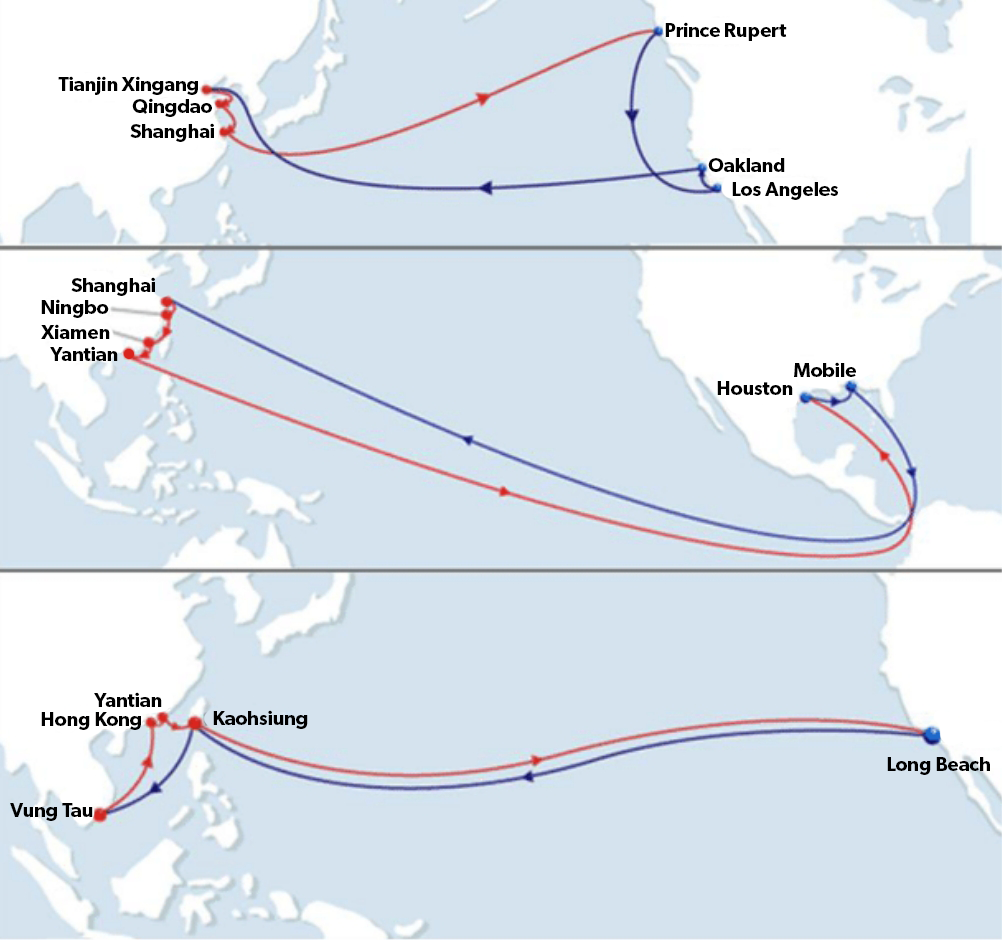
Potential Trade Lanes
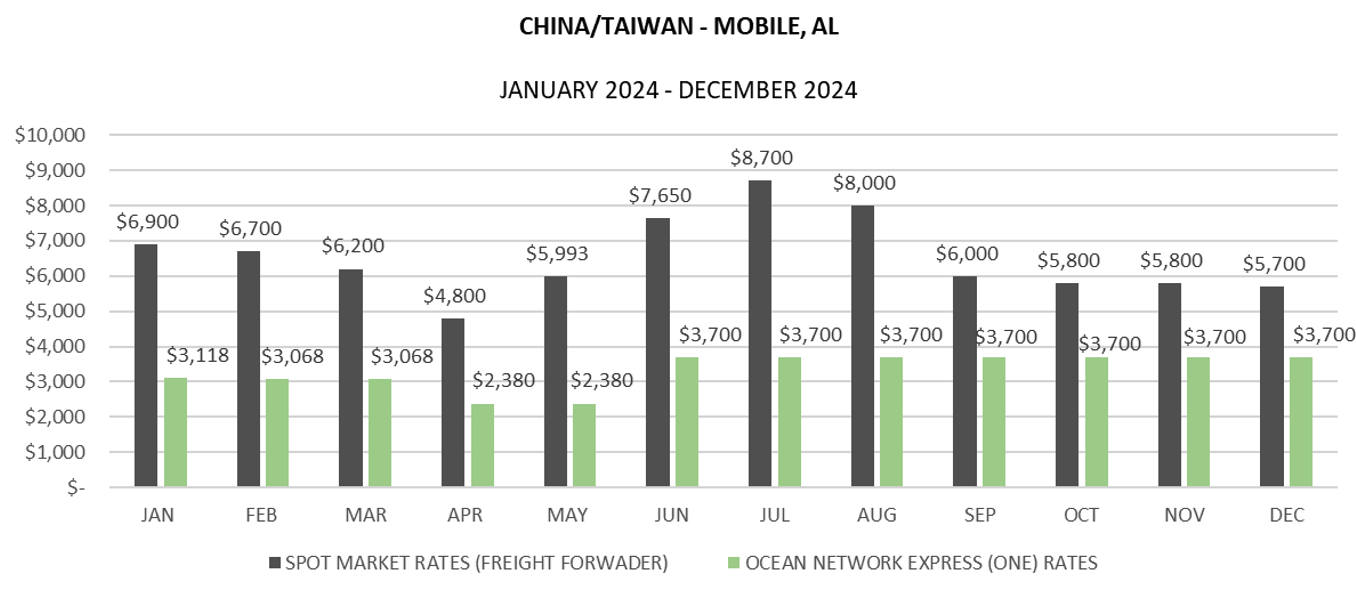
January 2024 – December 2024
- Containers moved with Ocean Network Express (ONE):263
- Average Savings Per Container:$3,200
- Total estimated savings:$841,600
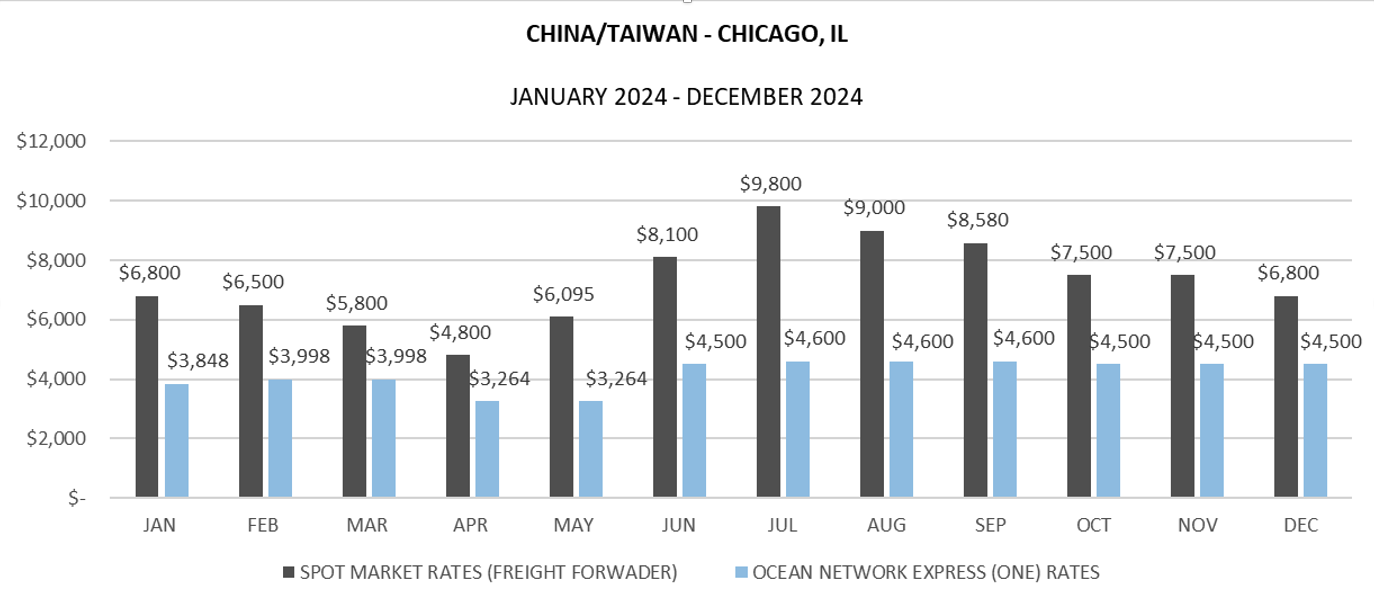
January 2024 – December 2024
- Containers moved with Ocean Network Express (ONE):158
- Average Savings Per COntainer:$3,100
- Total estimated savings:$489,800

Conclusion
This diversified strategy has pros and cons to consider. On the positive side, the direct carrier contract rates offer cost savings during periods of high market rates and capacity constraints. The committed nature also ensures space availability. However, it takes some demand planning to set an appropriate minimum commitment. Freight forwarders provide more flexibility for the remaining variable portion but are subject to market rates and typically add their margins to the service. An optimal strategy often utilizes a mixed approach across these different modes based on trade lane characteristics and customer’s expectations for delivery.
Experts



Key Takeaways
- Substantial Cost Savings with Direct Carrier Relationships: Both companies realized substantial rate savings and are more resilient to market increases than volatile spot market rates.
- Guaranteed Space Allotment: The direct relationship with the carrier provided guaranteed space allotment, which helped avoid availability volatility. This ensured that the companies had a reliable and consistent shipping capacity.
- Extended Free Time at Destination: The direct contracts also included extended free time at the destination, which helped reduce per diem charges and further contributed to cost savings.